

Feb 23, 2026
Braces vs Invisalign®: Which Is Right for You?

Choosing between braces and clear aligners like Invisalign® is one of the most important decisions you will make in your orthodontic journey. Both options can straighten teeth and improve your bite, but they suit different needs, personalities and lifestyles.
This guide compares how braces and Invisalign® work, their pros and cons, and how they can fit into life for teens and adults. By the end, you will have a clearer idea of which option might be better for you or your child.
If you are ready for personalised advice, a free consultation with iTero scanning and 3D planning will give you a tailored recommendation, quote and timeline.
How Braces and Invisalign® Work
Braces and Invisalign® both move teeth with gentle, controlled forces over time, but they do it in different ways.
Braces
Braces use small brackets glued to your teeth and a wire that connects them. A Specialist Orthodontist adjusts the wire over time to guide teeth into place.
Common types of braces include:
- Metal braces
- Ceramic or LightForce™ braces
Invisalign® Clear Aligners
Invisalign® uses a series of clear, removable plastic trays called aligners. Each set of aligners makes small changes to tooth position. You change to a new set every one to two weeks under your Specialist Orthodontist’s guidance.
In Geelong, Newtown and Hoppers Crossing, both braces and Invisalign® are widely used for children, teens and adults. The right choice depends on your bite, your goals and how you prefer to manage day-to-day treatment.
Pros and Cons of Braces
Pros of Braces
- Work well for a wide range of simple to very complex cases
- Always on your teeth, so you do not have to remember to wear them
- Can give very precise control over tooth and bite movement
- Metal braces are usually the most cost-effective comprehensive option
- Ceramic or LightForce™ braces offer a more discreet look than metal
Cons of Braces
- More visible than clear aligners, especially metal braces
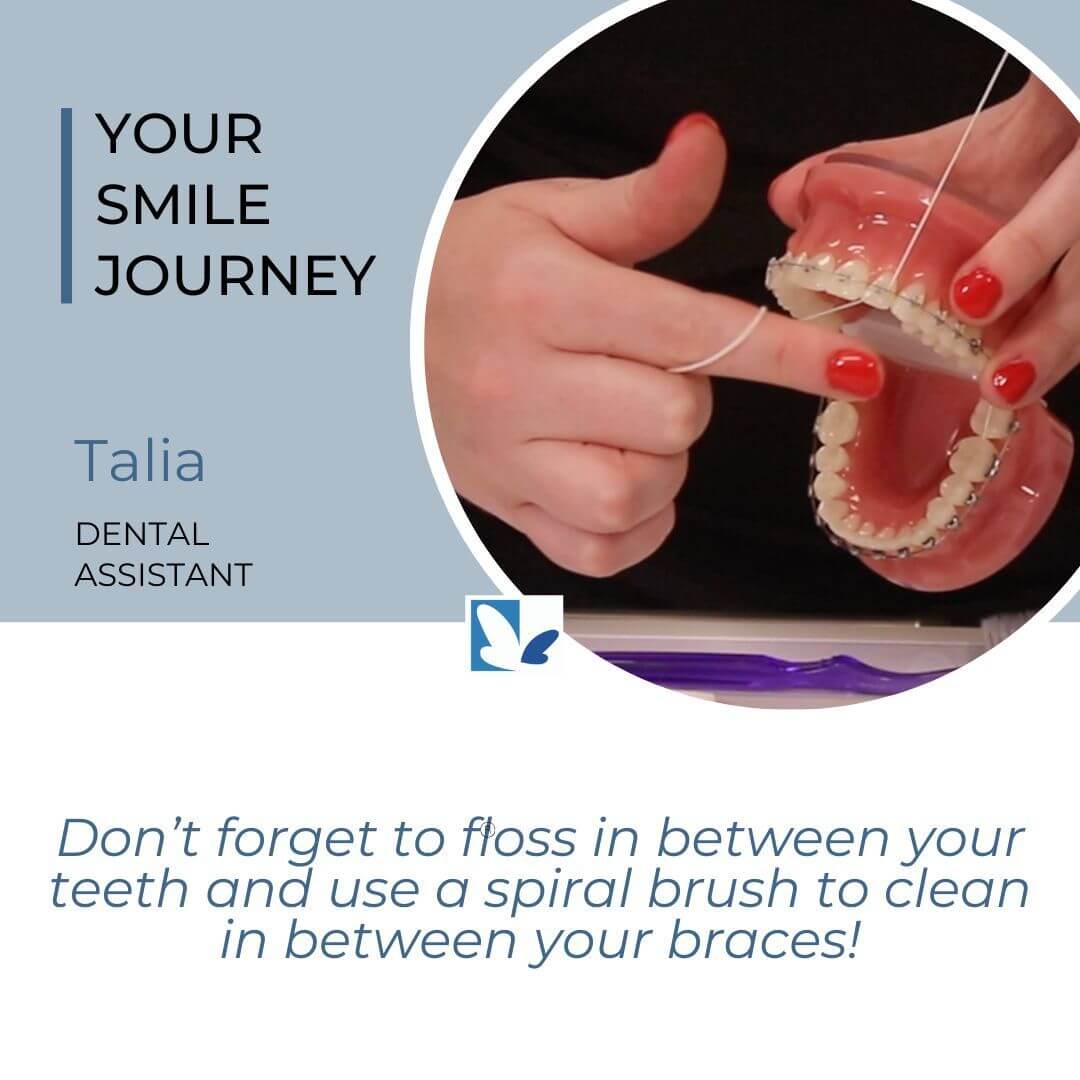
- Can make brushing and flossing more challenging around brackets and wires
- You may need to avoid certain hard or sticky foods
- Wires and brackets can sometimes cause irritation to lips and cheeks
- Adjustments can cause temporary soreness after visits
Braces may suit you if you want a low-maintenance option you cannot remove, or if your bite is more complex and benefits from fixed appliances.
Pros and Cons of Invisalign®
Pros of Invisalign®
- Clear and discreet, so many people will not notice you are in treatment
- Removable for eating, brushing and flossing
- No brackets or wires, so less chance of mouth irritation
- Easier cleaning because you can brush and floss as usual
- Can be a good fit for busy adults and image-conscious teens
Cons of Invisalign®
- You must wear aligners 20 to 22 hours per day for best results
- You need discipline to put them back in after meals and snacks
- Aligners can be lost or damaged if not stored carefully
- Complex cases may still need braces or a combination approach
- Some people notice a slight lisp for a short time when they start
Invisalign® may suit you if you value flexibility, prefer a low-visibility option, and feel confident you can stick to the wear schedule.
Lifestyle Differences: Day-to-Day Life
Eating and Drinking
Braces: You eat with braces on. You may need to avoid very hard, sticky or chewy foods that can damage brackets or wires.
Invisalign®: You remove aligners to eat and drink anything other than cool water. This gives you fewer food restrictions, but you must remember to put aligners back in afterwards.
Cleaning and Hygiene
Braces: You brush carefully around brackets and wires and may use special brushes or floss threaders.
Invisalign®: You remove aligners to brush and floss normally. You also clean the aligners themselves.
Sport and Music
Braces: A mouthguard is important for contact sports. Some musical instruments can feel different at first.
Invisalign®: Aligners can often stay in during sport with a suitable mouthguard. Some people remove them briefly for certain instruments.
Appointments and Monitoring
Both braces and Invisalign® require regular checks.
Braces: Visits are usually for wire adjustments and checks.
Invisalign®: Visits monitor progress and may include scans or refinement aligners.
At Braces n Faces Orthodontics in Geelong and Hoppers Crossing, iTero digital scanning and 3D planning support both braces and Invisalign® treatments.
Teens: Braces vs Invisalign®
Braces for Teens
Braces have been a common choice for teens for many years.
Benefits for teens include:
- Always on, so there is no risk of forgetting to wear them
- Very effective for a wide range of bite and alignment problems
- Colourful elastic options for those who want to personalise their smile
Things to consider:
- Teens need to brush carefully and keep up with oral hygiene
- Some may feel self-conscious about metal braces, though ceramic or LightForce™ braces can be more discreet
Invisalign® for Teens
Invisalign® can work well for responsible teens who can commit to wear time.
Benefits include:
- Discreet appearance, which can help with confidence at school or in photos
- Easy cleaning and no food restrictions because aligners are removed for meals
- Less chance of broken brackets before exams or important events
Things to consider:
- Aligners must be worn most of the day to work properly
- Aligners can be misplaced if they are wrapped in tissues or put in pockets
A Specialist Orthodontist will assess your teen’s bite, habits and routine before recommending braces, Invisalign® or a staged approach.
Adults: Braces vs Invisalign®
Braces for Adults
Braces can be an excellent option for adults, especially when bites are complex.
Benefits include:
- Strong control over complex tooth movement and jaw relationships
- Ceramic or LightForce™ braces provide a more subtle look
- No need to remember wear time
Considerations:
- More visible than clear aligners, which may matter in some jobs
- Food and cleaning adjustments are needed during treatment
Invisalign® for Adults
Many adults choose Invisalign® for its blend of flexibility and appearance.
Benefits include:
- Discreet, professional appearance in the workplace
- Flexible for social events, presentations and travel
- Easier to fit around busy schedules and family life
Considerations:
- You need consistent wear time around work, meals and meetings
- Some complex cases may still benefit from a phase of braces or additional appliances
A free consultation will help you understand how each option fits your work, family commitments and long-term goals.
Effectiveness and Suitability
Both braces and Invisalign® can be highly effective when planned and supervised by a Specialist Orthodontist. The best option for you depends on:
- Case complexity and bite type
- How much visibility matters to you
- Your ability to commit to wear time and care
- Any specific timing or lifestyle needs
Some cases are well suited to either braces or Invisalign®. Others clearly benefit from one option or a combination approach. Your orthodontist will explain why they recommend a particular path.
Costs and Value
Costs vary with case complexity, treatment length and appliance choice.
Braces: Metal braces are usually the most cost-effective comprehensive option. Ceramic or LightForce™ braces typically cost a little more.
Invisalign®: Pricing can be similar to braces for simple cases and higher for longer or more complex aligner sequences.
In Geelong and Hoppers Crossing, comprehensive braces and Invisalign® treatments often sit within typical Australian ranges from the low thousands for short, limited treatment to the higher thousands for full treatment.
Flexible, interest-free payment plans are often available, with weekly or fortnightly options tailored to your budget. Your written quote will outline total fees, payment structure and what is included in your plan.
Teens vs Adults: Which Option Is Better?
There is no single right answer, but some patterns are common.
For teens, braces may be better if:
- You want a treatment that cannot be removed
- Your teen is likely to forget or misplace removable aligners
- The bite is complex and needs detailed control
Invisalign® may be better for teens who:
- Feel very self-conscious about visible braces
- Can reliably wear aligners as instructed
- Prefer easier cleaning and fewer food restrictions
For adults, braces may be better if:
- Your case is complex or involves significant bite changes
- You prefer a fixed option and do not want to manage aligner wear
Invisalign® may be better for adults who:
- Need a discreet option for work or public-facing roles
- Want flexibility around meals, events and travel
- Value being able to brush and floss normally during treatment
Next Step
The most reliable way to decide between braces and Invisalign® is to have an in-person assessment with a Specialist Orthodontist.
If you want tailored advice for your smile, book your free consultation. You will receive an iTero 3D scan, a clear explanation of whether braces, Invisalign® or a combination suits you best, and an itemised quote with flexible payment options built around your budget.
Follow Us!
Get social with Braces N Faces Orthodontics