

Jun 26, 2026
Dentist vs Orthodontist: A Specialist Matters for Braces and Invisalign®

If you are thinking about straightening your teeth, you might be weighing up whether to see your regular dentist or a Specialist Orthodontist. On the surface, both can offer braces or Invisalign®, so what is the real difference?
The choice matters. Teeth move through bone, and safe movement relies on careful diagnosis, precise planning, and ongoing monitoring. Getting this right protects your roots, gums, and bite long term.
This guide explains who does what, how specialist training works, and when a dentist may refer you to a specialist. You will also see how this plays out in real scenarios for children, teens, and adults.
Dentists and Orthodontists Explained
A general dentist is your primary oral health clinician. They focus on prevention and treatment across the mouth. That includes check-ups, cleans, fillings, crowns, root canals, extractions, and gum health. Many dentists also provide cosmetic care and can identify early signs of bite or alignment problems. They are essential to your overall dental wellbeing and often coordinate your care.
A Specialist Orthodontist is a dentist who has completed additional specialist training in tooth and jaw alignment. Specialist Orthodontists diagnose and treat issues such as crowding, spacing, crossbite, overbite, underbite, open bite, and jaw discrepancies. They use appliances like braces, expanders, and clear aligners such as Invisalign® to move teeth and guide jaw growth. Their day-to-day work is entirely focused on tooth movement and bite correction.
Both roles complement each other. Your dentist keeps teeth and gums healthy. Your Specialist Orthodontist plans and delivers movement, then works with your dentist to maintain oral health during and after treatment.
What Is a Specialist Orthodontist and How Are They Trained?
In Australia, a Specialist Orthodontist first completes a dental degree, then practises as a dentist, and then undertakes an accredited three-year, full-time specialist program at a university. This advanced training covers craniofacial growth, biomechanics, radiology, complex diagnosis, and the biology of tooth movement. It also involves treating a large volume of cases under supervision and engaging with research and peer review.
That extra training equips Specialist Orthodontists to:
- Diagnose complex bites accurately with clinical exams, photos, scans, and X-rays
- Plan tooth movement in three dimensions, including root positioning and bite function
- Anticipate how growth, airway, habits, and jaw relationships may influence outcomes
- Manage challenging scenarios such as impacted canines, missing teeth, and surgical cases
After qualification, Specialist Orthodontists are registered with the Australian Health Practitioner Regulation Agency (AHPRA) as specialists. Ongoing professional development keeps skills current as materials and digital tools evolve.
Who Plans and Monitors Your Orthodontic Treatment?
With braces or Invisalign®, three phases matter: diagnosis, planning, and monitoring.
Diagnosis
Your Specialist Orthodontist assesses teeth, roots, gums, jaws, and airway. Tools can include iTero® 3D scans, digital photos, and X-rays. In complex cases, Cone Beam CT (CBCT) may be recommended to map root and jaw positions precisely.
Planning
A specialist sets the sequence of movements, the amount of space to create, how to coordinate the arches, and how to finish the bite. For aligners, they design every step in the digital plan, not just the visible alignment.
Monitoring
Teeth do not always move as predicted. Regular adjustment visits let your Specialist Orthodontist fine-tune wires or update aligners, check root health, manage elastics, and adapt the plan if tracking drifts.
This specialist-led process helps keep movement biologically safe and your bite stable.
Why See a Specialist Orthodontist for Braces or Invisalign®?
Choosing a specialist often means:
- Safer, more predictable movement
- Better management of complex cases
- Earlier identification of potential problems
- Bite-focused finishing for long-term stability
Aligners in particular look simple, but the science behind them is not. Clear aligner success depends on precise staging, attachment design, and disciplined wear. A Specialist Orthodontist builds those details into your plan and knows when to add elastics, create space, or switch appliances for more control.
Can a General Dentist Provide Braces or Invisalign®, and What Are the Risks?
Some general dentists offer orthodontic options. For straightforward alignment, a dentist may provide care or may start a case then refer if complexity appears.
Potential risks when treatment is not specialist-led can include:
- Under-diagnosis of bite issues
- Bite imbalances that affect long-term function
- Root and gum health concerns
- Tracking problems with clear aligners
- Missed opportunities for early intervention in children
If your dentist suggests braces or Invisalign®, it is reasonable to ask about their orthodontic training, monitoring protocols, and when they refer patients to a Specialist Orthodontist.
Many dentists work closely with Specialist Orthodontists and will recommend referral when a case requires additional expertise.
Common Scenarios and Who Is Best to See
Children Aged 6 to 10
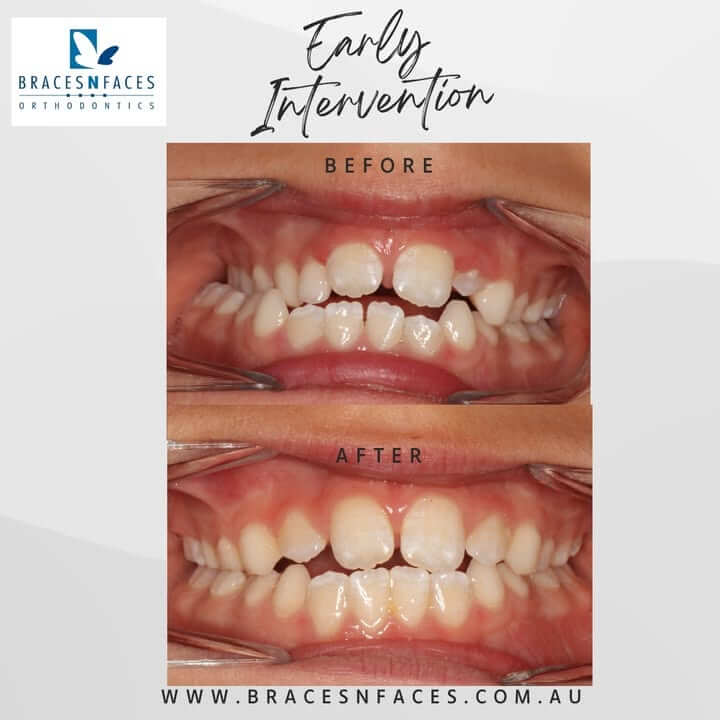
An early orthodontic assessment can identify crossbites, crowding, narrow arches, and oral habits. A Specialist Orthodontist can advise on interceptive treatments that may simplify future care.
Teenagers with Crowding or Bite Issues
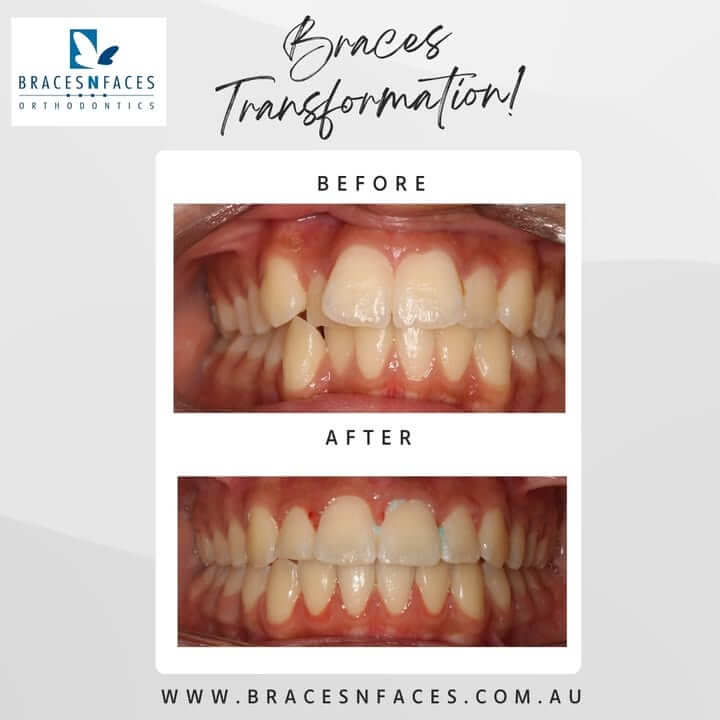
Braces or Invisalign® can both be effective. Specialist planning ensures tooth movement works alongside growth and development.
Adults Seeking Discreet Treatment
Invisalign® and aesthetic braces can straighten teeth while managing bite changes carefully. Adults often benefit from detailed specialist planning because growth is no longer a factor.
How Your First Specialist Visit Works
A consultation typically includes:
- A clinical examination
- Discussion of your concerns and goals
- Digital scans and photographs where appropriate
- A personalised treatment plan
- A written quote and timeline estimate
You will also have the opportunity to compare braces and Invisalign® side by side and ask questions about treatment duration, costs, and expected outcomes.
FAQ
What does a dentist do compared to a Specialist Orthodontist?
A dentist manages overall oral health, including cleans, fillings, crowns, and gum care. A Specialist Orthodontist is a dentist with additional specialist training who focuses on straightening teeth and correcting bites with appliances like braces and Invisalign®.
What is a Specialist Orthodontist and how are they trained?
A Specialist Orthodontist completes dental school and then undertakes an additional three-year full-time specialist orthodontic program. Their work focuses exclusively on tooth movement and bite correction.
Why should I see a Specialist Orthodontist for braces or Invisalign®?
Specialists plan tooth movement in three dimensions, protect roots and gums, and carefully coordinate the bite. This generally leads to safer, more predictable, and more stable outcomes.
Can a general dentist provide braces or Invisalign®, and what are the risks?
Some dentists provide orthodontic treatment for suitable cases. Risks can arise when diagnosis or monitoring is not at specialist level, particularly in more complex bite corrections.
The Takeaway
Straight teeth are only part of the story. A healthy, stable bite and safe tooth movement are the real goals. That is where the expertise of a Specialist Orthodontist makes a significant difference, whether you are considering braces or Invisalign®.
Your Next Step
If you are considering orthodontic treatment and want expert guidance from a Specialist Orthodontist, contact Bachmayer Orthodontic Clinic. We can assess your smile, explain your options clearly, and create a personalised treatment plan designed for long-term stability and confidence.
Whether you are exploring braces for your child, Invisalign® for yourself, or simply want a second opinion, our team is here to help you make an informed decision. We welcome patients from Norwest, Tallawong, the Hills District, and Greater Western Sydney. Book a free consultation today and discover what specialist orthodontic care can achieve.
Follow Us!
Get social with Braces N Faces Orthodontics