

Oct 20, 2026
Early Orthodontic Checks: Signs to Watch Between Ages 6-10

Primary school is a busy time, and Term 4 in Victoria often brings planning for the year ahead. If your child is between 6 and 10, a quick orthodontic check can help you make smart, stress-free decisions before schedules fill up.
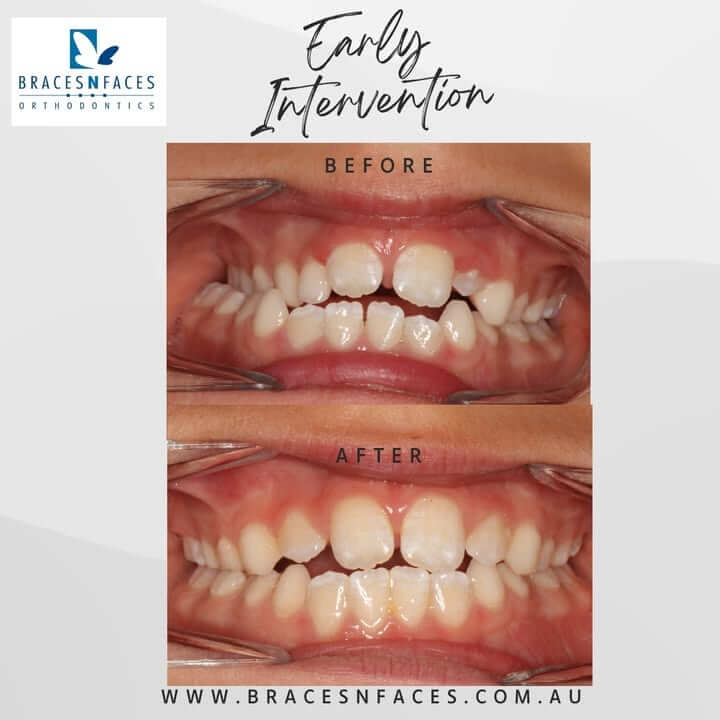
Early interceptive orthodontics is not about rushing into braces. It is about spotting growth patterns and habits that may be easier to guide now, potentially simplifying treatment in the teen years.
This guide explains the key signs to watch, gentle treatment options, a simple expander-turning overview, and comfort tips for calmer visits and happier smiles.
When to Book a First Orthodontic Check
The Australian Society of Orthodontists recommends a first check by about age 7. That timing captures the mixed-dentition stage, when adult front teeth and first molars are arriving.
An early assessment does not always lead to treatment. Many children are simply placed on a monitoring plan until timing is right. If you are planning ahead for Term 4 or the summer holidays, a free assessment can give you clarity and a timeline that suits school and sport.
Early Signs Your Child May Need Help
You do not need to know the names of every bite issue. Noticing a few simple patterns is enough to prompt a check.
- Crowding or overlapping front teeth
- Crossbite, where upper teeth bite inside lower teeth on one or both sides
- Underbite or a lower jaw that looks prominent
- Open bite from thumb or finger habits, where front teeth do not meet
- Early or late loss of baby teeth
- Teeth that meet off-centre, or a jaw that shifts when biting
- Mouth breathing, snoring, or tongue thrust
- Difficulty chewing certain foods or speech sounds
If you see one or more of these, a Specialist Orthodontist can assess growth, space, and habits and outline gentle next steps if needed.
How Early Care Can Make Later Treatment Easier
Guiding jaw width and habits during growth can create space for incoming teeth and help align the bite early. Benefits can include:
- Reducing the risk of adult teeth becoming impacted or stuck
- Creating room so fewer teeth need to be extracted later
- Shortening or simplifying teen treatment
- Improving chewing and protecting enamel from uneven wear
Every child is different. Some need a short phase of interceptive care now, followed by a pause until all adult teeth arrive. Others are best monitored without appliances.
Gentle Options for Growing Smiles
Early appliances are designed to be child-friendly and as simple as possible.
- Expanders: A small device that gently widens the upper jaw to correct crossbite and make space. Expansion is typically gradual and guided by your clinician.
- Tongue guards or habit breakers: Low-profile appliances that help stop thumb or finger sucking and retrain tongue posture to close an open bite over time.
- Invisalign® First: Clear, removable aligners designed for children in the 6 to 10 age range. They can create space, guide erupting teeth, and address early crossbite or crowding with smooth, easy-to-clean trays.
- Partial braces: Small numbers of brackets used selectively to align key teeth or improve the bite.
Your child’s plan is tailored to growth, reliability with wear, and comfort. Removable options like Invisalign® First can suit busy families who prefer easy brushing and fewer food restrictions.
What Is Invisalign® First and Who Is It For?
Invisalign® First is a clear aligner system made for children with mixed baby and adult teeth. It uses gentle, staged trays to:
- Create space for incoming teeth
- Address crossbites and mild underbites
- Improve crowding and alignment
- Support habit correction in combination with other tools
It can suit cooperative children who can wear aligners as directed and store them safely in their case during meals. Your orthodontist will confirm if aligners, fixed appliances, or a mix is best.
How Expanders and Tongue Guards Work
Expanders sit on the upper teeth and use a small screw to widen the palate in tiny steps. The aim is to correct crossbite, improve arch form, and create space for adult teeth.
Tongue guards, sometimes called habit breakers, are slim devices attached to the molars. They make thumb or finger sucking less comfortable, guide the tongue away from pushing between the teeth, and allow the open bite to close as habits change.
These appliances work best with positive coaching and consistent review. Progress is checked regularly, and adjustments are quick.
A Simple Expander-Turning Overview
Your clinician will demonstrate turning in the clinic and send you home with a key and instructions. Here is the basic sequence.
- Wash and dry hands. Sit your child in good light, head back.
- Insert the key in the small hole at the front of the screw.
- Push the key gently toward the back of the mouth until the next hole appears in front.
- Remove the key carefully, moving straight out so the screw does not reverse.
- Follow the prescribed schedule, usually a set number of turns per week, then stop and attend reviews as booked.
If a turn feels stuck, do not force it. Call the clinic for advice.
Comfort and Routine Tips Kids Actually Use
- Use orthodontic wax on any rubbing spots.
- Stick to soft foods for the first day or two after new appliances or adjustments.
- Keep a small kit in the school bag with a brush, wax, and a labelled aligner case.
- Rinse with cool water after sweet drinks, then brush when you can.
- For aligners, remove them for hot drinks, and always store them in their case.
- Praise the habit, not just the result. Small charts or phone reminders help younger kids stay consistent.
Frequently Asked Questions
When should my child see an orthodontist?
Around age 7, or sooner if you notice crowding, crossbite, underbite, or thumb habits. Early checks guide timing, not automatic treatment.
What early signs suggest my child may need help?
Crowding, crossbite, underbite, open bite from habits, early or late loss of baby teeth, mouth breathing, or chewing and speech difficulties.
What is Invisalign® First and who is it for?
A child-specific clear aligner system for ages roughly 6 to 10 with mixed teeth. It can create space, improve alignment, and help with certain bite issues when worn as directed.
How do expanders and tongue guards work?
Expanders widen the upper jaw in small steps to correct crossbite and make space. Tongue guards reduce thumb or finger sucking and retrain tongue posture to close open bites.
Can early treatment reduce treatment time later?
Often, yes. Creating space and correcting bite foundations early can simplify or shorten teen treatment, although every case is unique.
Planning Ahead for Term 4 in Victoria
If you are mapping out school, sport, and holidays, an early check now can help you choose ideal timing. Braces n Faces Orthodontics offers free initial consultations with iTero 3D scans where appropriate, calm kid-friendly visits, and clear options explained in simple language.
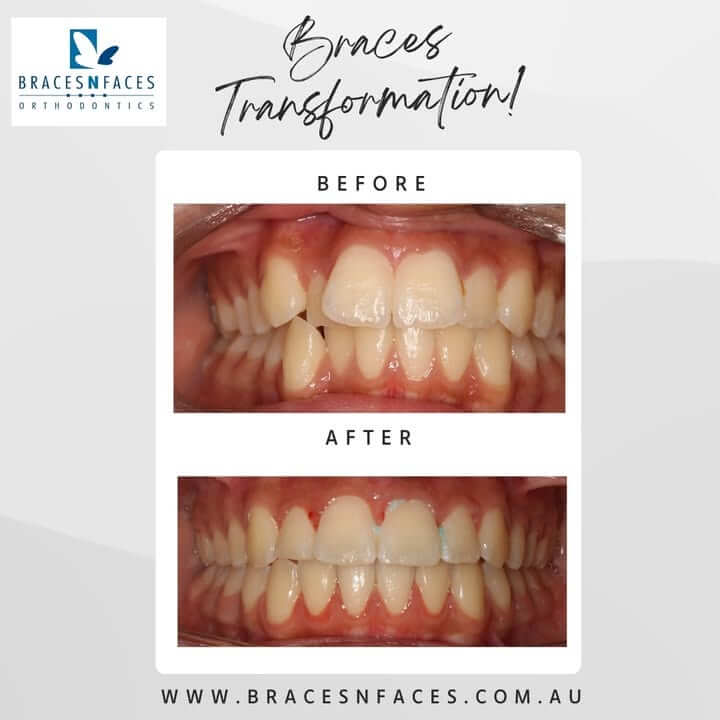
If you are nearby, you can learn more about our Geelong clinic by visiting the page for Geelong Orthodontics. You will find details, directions, and local appointment options that fit the school run. You can also browse real patient transformations in our before and after gallery to see typical journeys and outcomes.
The Takeaway
Early checks are simple, gentle, and informative. Spotting crowding, crossbites, underbites, and thumb habits between ages 6 and 10 can set your child up for smoother care later. If appliances are recommended, options like expanders, tongue guards, partial braces, and Invisalign® First are designed for growing smiles.
Book your child’s free assessment and plan ahead with confidence.
Follow Us!
Get social with Braces N Faces Orthodontics