

Mar 17, 2026
Invisalign® First vs Braces for Kids: How to Choose the Right Option
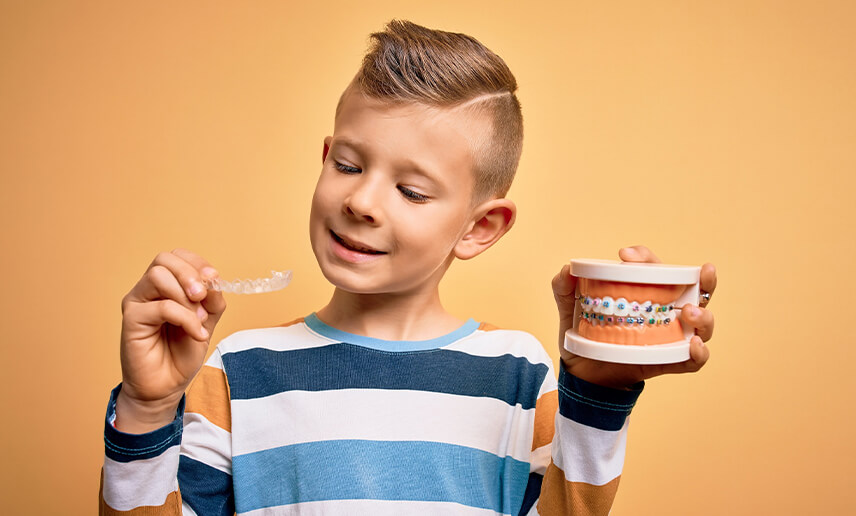
Choosing between Invisalign® First and traditional braces for your child can feel like a big call. You want a healthy bite, a confident smile, and a plan your child can actually stick to. This guide explains how each option works for growing mouths, where each shines, and the practical trade-offs that matter day to day.
You will also find simple questions to ask at your first visit and tips to help you decide with confidence. If you are in Geelong or Hoppers Crossing, you can book a free consultation for tailored advice from a Specialist Orthodontist.
What Invisalign® First is and how it works for children
Invisalign® First is a clear aligner system designed for teens and children who still have a mix of baby and adult teeth. It uses a series of custom-made, removable aligners planned from a 3D digital scan. Children wear each aligner for a prescribed period, and tooth-coloured attachments may be placed to help guide movement.
Because it is built for growing smiles, Invisalign® First can create arch width, manage crowding and spacing, and improve bite relationships while baby teeth are still present. It can be paired with early interceptive appliances, such as expanders, where needed. The digital planning tools allow your specialist to stage tooth movements around eruption patterns and growth, which is important for comfort and predictability.
When braces may be preferred
Traditional braces are fixed to the teeth and work around the clock. This constant, controlled force is especially helpful for complex bites, severe crowding, cases that may involve extractions, or plans that need very precise control. Braces do not rely on your child remembering to wear an appliance for a set number of hours, so they can be a good fit for kids who might struggle with aligner compliance.
Ceramic or clear braces can reduce visibility while keeping the control of a fixed appliance. Your Specialist Orthodontist will advise when a fixed approach is more predictable or more efficient for your child’s goals.
Day-to-day comparison that matters to families
Comfort and visibility: Aligners are smooth, with no brackets or wires, and are very discreet in photos and at school. Braces are visible and can cause occasional rubbing, though wax and adjustments help.
Treatment control: Braces provide continuous forces and allow precise adjustments at each visit. Invisalign® First offers strong control through digital planning and attachments when worn as prescribed.
Compliance needs: Invisalign® First relies on disciplined wear, typically 20 to 22 hours per day. Braces are fixed, so progress does not depend on daily wear time.
Eating and oral hygiene: Aligners come out for meals, so there are fewer food restrictions and normal brushing and flossing are easier. With braces, avoid hard and sticky foods, and brush carefully around brackets and wires.
Sport and music: Aligners can be worn with a suitable mouthguard, and there is no metal near lips or cheeks for wind or brass instruments. Braces work well too, but a custom mouthguard is recommended for contact sport, and some musicians prefer time to adapt.
Appointments and monitoring: Braces require periodic wire changes and checks. Invisalign® First visits review fit and progress, with new aligners provided and refinements planned as needed. Both options usually involve regular but short appointments.
Typical timelines: Treatment time varies by age, complexity, and cooperation. Early phase treatment focused on guidance and space creation can be shorter. Comprehensive treatment can range from many months to a few years. Your written plan will include an estimated timeframe after assessment.
Suitability checklist: is my child a good candidate?
Consider these factors when choosing between Invisalign® First and braces:
Age and growth stage: Mixed dentition (typically 6 to 10) often suits Invisalign® First or partial fixed appliances for early guidance. Later phases can involve either aligners or braces based on the bite.
Bite complexity: Severe crowding, significant skeletal discrepancies, or complex rotations may lean toward braces for control and efficiency. Moderate crowding or spacing, and many crossbites or open bites, can respond well to Invisalign® First.
Ability to wear aligners 20 to 22 hours a day: If your child can keep track of aligners at school, after meals, and during sport, aligners can be an excellent choice. If that seems unlikely, fixed braces may avoid stalls in progress.
Lifestyle and habits: Think about snacks, lunchtime routines, sport, and musical instruments. Aligners offer mealtime flexibility; braces remove the need to remember reinsertion.
Family routine: Some families prefer the structure of braces, while others value the flexibility and hygiene advantages of aligners.
How appointments, wear time and hygiene differ
Wear time: Invisalign® First needs consistent wear, removed only for meals, water being the only drink when aligners are in. Braces work 24-7 with no action required beyond elastics where prescribed.
Appointments: Both options involve regular reviews. Braces appointments adjust wires or components. Invisalign® First appointments check tracking and provide the next aligners. Digital scans and small plan updates are common with aligners.
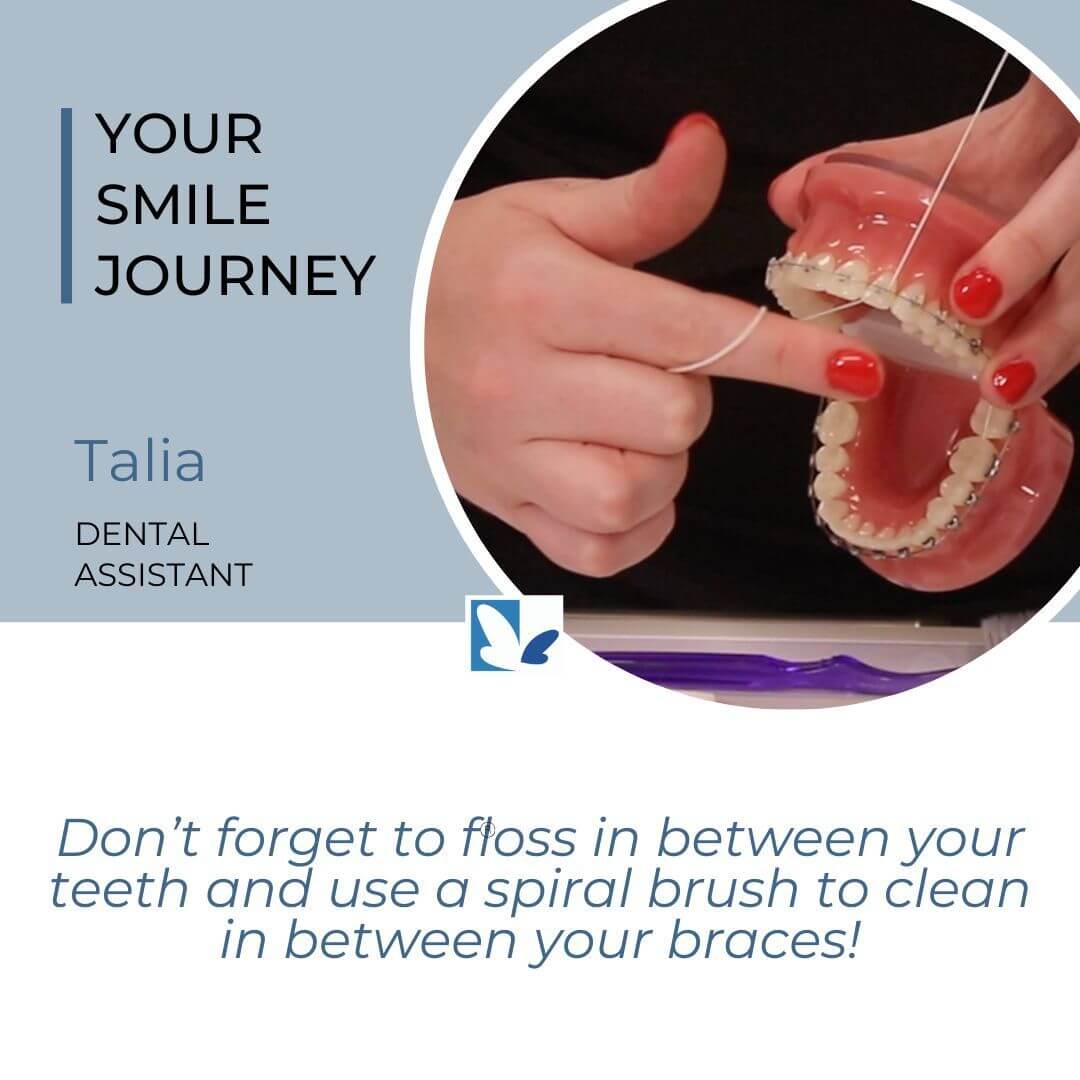
Hygiene: Aligners are removed for normal brushing and flossing. Clean aligners as instructed and store them safely during meals. With braces, use a soft brush, interdental brushes, and floss threaders. Fluoride toothpaste and careful technique help keep gums healthy.
Costs, inclusions and planning
Fees vary with complexity, treatment length, and appliance choice. Metal braces are often the most cost-effective fixed option, ceramic or custom clear braces may cost more, and Invisalign® First pricing can be similar to braces for simpler cases and higher for longer or more complex plans.
A free consultation will include a tailored quote, expected timeline, and payment options. To understand fees and what is included, you can read more about costs and payment plans on our site and then discuss your child’s case in person.
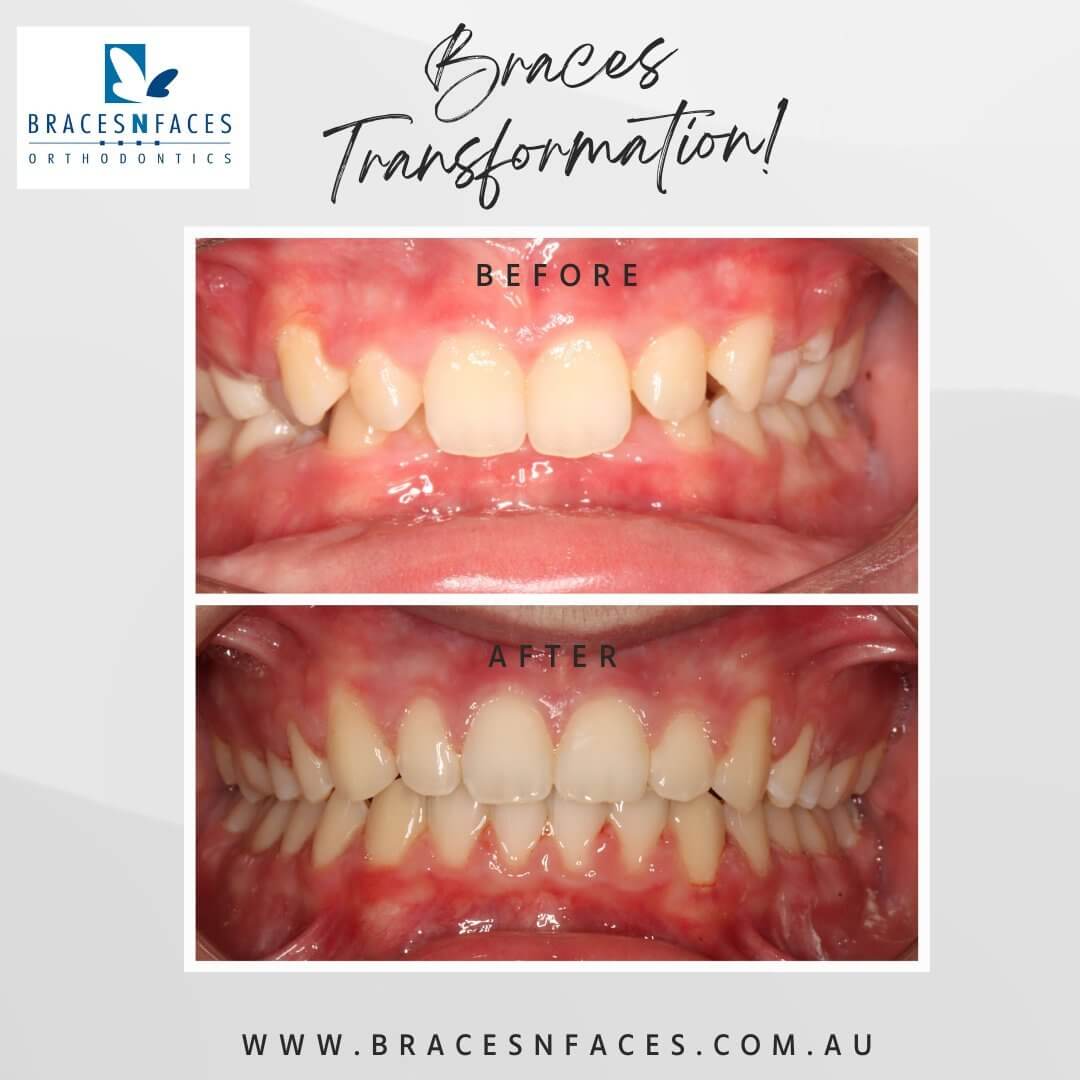
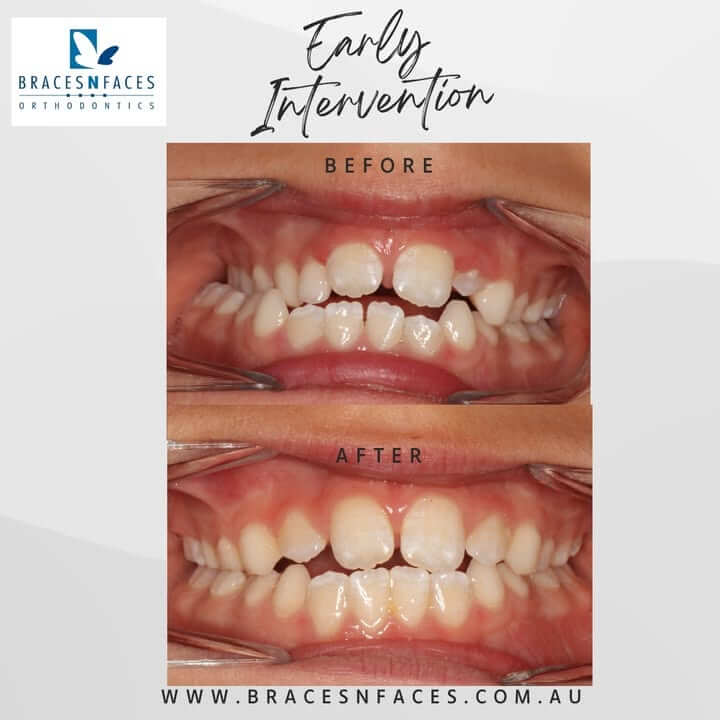
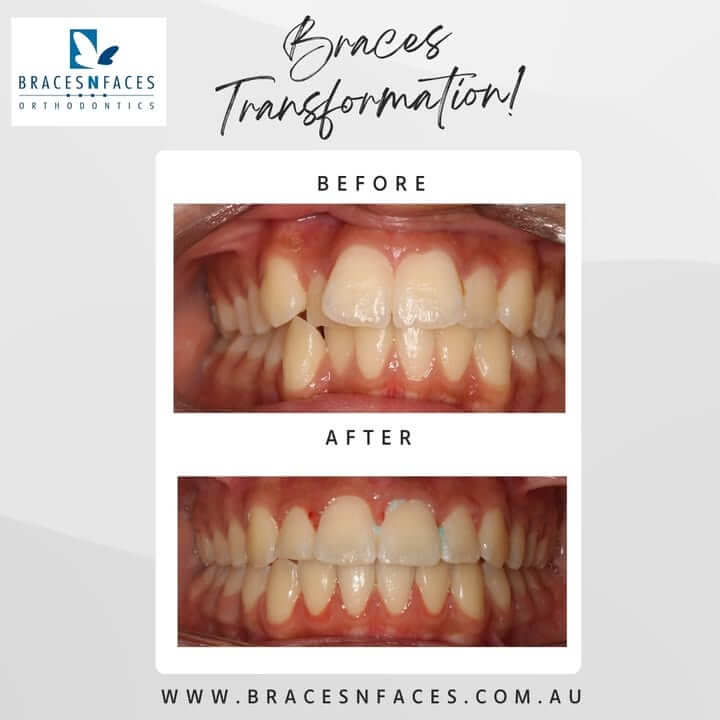
For local families comparing options, it can be helpful to see treatment results like before and after photos to understand what different appliances can achieve.
Learn about costs and flexible plans: see our page on the cost of treatment in Geelong at braces and faces (www.bracesnfaces.com.au/costs).
Explore real outcomes in our gallery of orthodontic braces before and after photos at www.bracesnfaces.com.au/before-and-afters.
Simple steps to choose the right option
Book an assessment with a Specialist Orthodontist who treats both braces and Invisalign® First.
Ask about expected outcomes, likely treatment time, and how growth will be managed.
Understand costs and what is included, including retainers, refinement aligners, and aftercare.
Share your child’s habits and routine so the plan matches how they live day to day.
Consider whether your child can wear aligners for 20 to 22 hours daily or if a fixed approach is more realistic.
Quick FAQ
What is Invisalign® First for kids?
Invisalign® First is a clear aligner treatment designed for children in mixed dentition. It guides tooth and arch development while baby and adult teeth are present.
How do Invisalign® First and braces compare?
Aligners are removable, discreet, and hygiene-friendly but need disciplined wear. Braces are fixed, visible, and highly controlled with some food limits.
Which is better for my child?
It depends on bite complexity, growth stage, and your child’s ability to wear aligners consistently. A specialist assessment is the best way to choose.
How do appointments and wear time differ?
Invisalign® First needs 20 to 22 hours of wear daily with check-ins to supply new aligners. Braces work 24-7 with regular adjustments. Hygiene is simpler with aligners, while braces need careful cleaning around brackets.
Your next step
Every smile is unique, and so is every plan. The most reliable way to decide is a face-to-face assessment with a Specialist Orthodontist who can examine growth, explain options, and map out timelines and costs.
Book your free consultation for personalised advice with Braces n Faces Orthodontics in Geelong or Hoppers Crossing, and get a clear plan your child can stick to.
Follow Us!
Get social with Braces N Faces Orthodontics