

Sep 22, 2026
Invisalign® for adults: discreet treatment, real-life tips and timelines

Thinking about straightening your teeth without drawing attention at work or in your social life? Invisalign® lets many adults improve their smile with minimal disruption to routines, parenting, travel, or events. Clear aligners are removable, easy to clean, and designed to fit around a busy schedule when worn as directed.
This guide answers the questions adults ask most. You will learn about daily wear time, attachments, check-ins, refinements, hygiene, travel, and when fixed braces may be the better choice. Plus, a quick note on finance and insurance so you can plan with confidence.
If you are exploring treatment in or near Geelong, Newtown, or Hoppers Crossing, book your free consultation to see what your personalised plan could look like.
Is Invisalign® suitable for busy adults?
Often, yes. Invisalign® aligners are thin, clear trays that move your teeth in small steps. You take them out for eating, drinking anything other than water, and brushing. For work meetings, childcare, sport, and social events, most adults find the flexibility helpful.
Success depends on consistency. If you can wear aligners as prescribed and keep appointments, Invisalign® can be a discreet, lifestyle-friendly option. During your assessment, a Specialist Orthodontist will check your bite, gum health, and goals to confirm suitability.
Daily wear time and everyday life
Most adult plans ask for 20 to 22 hours per day. Aligners should be in your mouth all day and night, out only for meals, snacks, hot drinks, and hygiene. Short meals and quick brushing help you meet the target.
- Work: Keep a travel toothbrush at your desk. After coffee, rinse, brush, and pop aligners back in.
- Parenting: Set phone reminders for busy evenings. A small bathroom kit helps after kids’ mealtimes.
- Social events: Eat and drink normally with aligners out, then brush and reseat as soon as you can. Water is fine with aligners in.
Chewies can help seat trays fully. If an aligner feels tight after time out, wear it promptly and use chewies for a minute or two.
Attachments, elastics, and what to expect
Attachments are small tooth-coloured bumps bonded to some teeth. They give aligners a better grip to move teeth efficiently. Not every tooth needs one; your plan decides where they go. Some adults also wear small elastics to guide the bite. Both are common, subtle, and easy to adapt to after a few days.
Travel, events, and holidays
You can travel confidently during Invisalign® treatment with a little planning.
- Pack: Current aligner set, the next set, your previous set as backup, case, chewies, small brush, floss, and elastics if prescribed.
- Flights: Keep aligners and the next set in your carry-on. Cabin air is dry, so sip water often.
- Dining out: Excuse yourself to the bathroom after meals to brush and reseat trays. If you cannot brush, rinse well, use floss picks, then brush as soon as practical.
- Hot drinks: Remove aligners for tea or coffee. Heat can warp trays.
If a tray cracks or goes missing, wear the previous set and contact your Specialist Orthodontist for advice.
Oral hygiene made simple
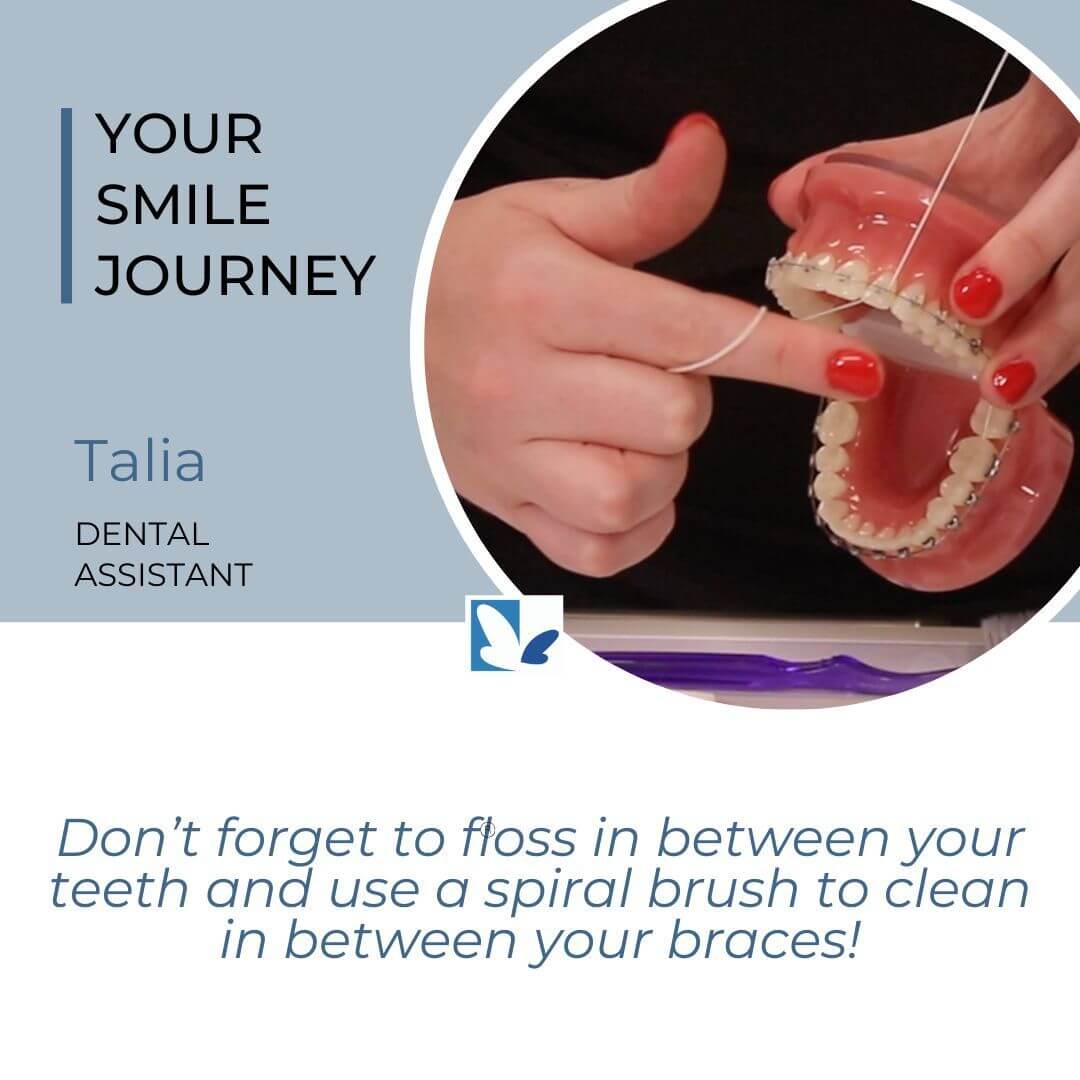
Because aligners come out, brushing and flossing is usually easier than with braces. Brush after meals and at night, floss daily, and clean aligners in cool water with a soft brush. Avoid hot water and coloured or scented soaps. Keep trays in their case when not in use, not in a napkin or pocket.
Reviews, timelines, and refinements
Adults often change to a new set every 7 to 10 days, depending on the plan. Check-ins are typically spaced 6 to 10 weeks apart, sometimes with remote monitoring between visits.
A refinement is a short top-up series of aligners used to fine-tune details once the main movement is complete. Many comprehensive plans include at least one refinement. Your Specialist Orthodontist will rescan your teeth, adjust the digital plan, and order a new batch of trays. Refinements help polish the result rather than restart treatment.
Treatment time varies with complexity and consistency. Mild crowding can be shorter, while bite correction typically takes longer. Your consultation includes an estimate based on a clinical exam and iTero 3D scan.
When fixed braces may be recommended instead
Invisalign® treats many adult cases well, including crowding, spacing, crossbites, and underbites when wear is consistent. Fixed braces may be recommended when:
- You need maximum control for complex tooth movements or root positioning.
- There are impacted teeth or surgical steps planned that pair best with braces.
- You anticipate difficulty meeting daily wear targets.
- You prefer a set-and-forget option.
If you need a discreet fixed option, clear or LightForce™ 3D-printed clear braces can reduce visibility while providing braces-level control. To compare fixed options, see our guide to adult braces on our site for more detail about clear, ceramic, and metal choices.
Finance and insurance essentials
Most adults choose interest-free payment plans with weekly or fortnightly instalments. Your written quote outlines deposit, inclusions, and estimated timeline. Exact costs vary by case.
Private health Extras policies sometimes contribute to orthodontics. Benefits, limits, and waiting periods differ between funds, so it is best to check with your insurer using the item numbers provided after your consultation. Medicare does not usually cover elective orthodontics; limited programs may apply in specific medical situations.
If you want a clearer sense of fees and plan structures before you visit, explore our costs page for a general overview of pricing considerations and payment flexibility.
Quick tips to stay on track
- Aim for 20 to 22 hours of wear daily.
- Keep a spare case, brush, and floss in your bag or car.
- Change to new sets as instructed; do not skip ahead.
- Call promptly if an attachment comes off or a tray cracks.
FAQ
Is Invisalign® suitable for busy adults? Often yes. If you can commit to full-time wear and routine check-ins, aligners fit well around work, parenting, and social life.
How many hours per day should I wear aligners? Most plans ask for 20 to 22 hours per day, out only for eating, hot drinks, and hygiene.
Can I travel or attend events during treatment? Yes. Pack a small kit, remove trays for meals and hot drinks, brush or rinse after, and wear trays promptly again.
How often are check-ins, and what are refinements? Reviews are usually 6 to 10 weeks apart. Refinements are short top-up aligner series that fine-tune your result near the end.
When would braces be recommended instead? For complex movements, impacted teeth, surgical coordination, or if consistent wear is unlikely. Clear or LightForce™ braces offer a more discreet fixed option.
Your next step
A Specialist Orthodontist assessment will confirm if Invisalign® or braces suit your bite, goals, and lifestyle. Ready to explore your options in person? Book your free consultation.
Helpful reads and next steps:
- Learn more about Invisalign® for adults in our Geelong and Hoppers Crossing clinics on our Invisalign® page for adults.
- Planning your budget? See our orthodontic costs and payment options.
- Want to compare discreet fixed choices? Explore adult braces, including clear and ceramic options, on our braces overview page.
Follow Us!
Get social with Braces N Faces Orthodontics