

Jan 21, 2026
New Year, New Smile: Choosing the Right Orthodontic Treatment for Your Lifestyle

A new year is a fresh start. If a straighter, healthier smile is on your list, you have great options. At Braces n Faces Orthodontics in Geelong and Hoppers Crossing, you can choose from Invisalign® clear aligners, traditional metal braces, and clear ceramic braces. Each option works differently and suits different goals, ages, and day-to-day routines. This guide explains how each treatment works, who they are best for, pros and cons, and how to match a plan to your lifestyle or your child’s needs. You will also find clear answers on costs and whether Medicare helps.
The main options and how they work
Invisalign® clear aligners
A series of custom clear trays gently guide your teeth into position. You wear each set for one to two weeks for 20 to 22 hours a day, taking them out to eat and brush. Small tooth-coloured attachments can be placed to help certain movements. Planning is digital using iTero 3D scans, so you can preview your likely outcome before you start.
Metal braces
Small metal brackets are bonded to each tooth and connected by an archwire. Your orthodontist adjusts the wire at visits to guide teeth and jaws. Braces work around the clock and are very effective for complex movements, bite corrections and surgical plans when needed.
Clear ceramic braces
Tooth-coloured or clear brackets blend with your smile. They work like metal braces but are less visible.
Who is best suited to each treatment?
Invisalign® suits adults and teens who want a discreet, removable option and can commit to wearing aligners as directed. It can treat many types of crowding, spacing and bite issues. Invisalign First is available for qualifying children in mixed dentition.
Metal braces are ideal for complex crowding, significant bite correction, extraction cases and when absolute control is essential. They are fixed, so there is no risk of forgetting to wear them.
Clear ceramic braces suit adults and teens who prefer a low-visibility fixed option with the control of braces. They may be recommended when you want aesthetics but your case needs fixed appliances.
At your free initial consultation, our Specialist Orthodontist will assess your bite, gums and teeth, then recommend options that fit your goals and budget.
Pros and cons at a glance
Invisalign®
Pros: Nearly invisible, removable for meals and brushing, fewer food restrictions, easier cleaning, digital plan with simulation.
Cons: Must wear 20 to 22 hours daily, may need attachments, aligner discipline is vital, not every complex movement is ideal without careful planning.
Metal braces
Pros: Work 24/7, excellent control for complex cases, no compliance concerns with wear time, cost-effective for many patients.
Cons: Visible, food restrictions to protect brackets, more challenging cleaning around brackets and wires.
Clear ceramic braces
Pros: Less visible than metal, fixed control similar to metal, suitable for many adult and teen cases.
Cons: Brackets are more aesthetic but can be a touch bulkier, may be a little more delicate than metal, similar cleaning and food considerations as metal braces.
How to choose the right option for your lifestyle
Ask yourself:
- How important is discretion? If you prefer a near-invisible look, consider Invisalign® or ceramic braces.
- Will you wear aligners consistently? If you worry about remembering to wear trays, fixed braces remove that variable.
- What is your diet like? If you love crunchy foods and do not want restrictions, removable aligners can make eating simpler.
- How complex is your case? Significant bite changes or surgical plans often suit fixed braces best, though many complex cases can also be treated with Invisalign® using careful planning.
- What will work for your child? Younger patients may do well with fixed braces because there is nothing to remove. Responsible teens often do well with aligners. Invisalign First can be a great fit for some growing children.
Your consultation includes an iTero scan and a tailored plan so you can see what your outcome might look like before you decide.
Costs, Medicare and saving money
How much do braces cost in Geelong?
Costs vary by case complexity, appliance type and length of treatment. At Braces n Faces, flexible, interest-free payment plans are available, with representative plans starting from around $55 per week for some patients. You will receive a personalised quote at your free consultation.
Are braces covered by Medicare?
In Australia, Medicare does not usually cover orthodontic treatment, as it is considered elective. Certain medical or surgical cases may have limited rebates, but this is uncommon. Private health extras may contribute to orthodontic fees, subject to your policy limits and waiting periods. For more detail, see do medicare cover braces.
What is the cheapest price for braces?
The cheapest option depends on your clinical needs and the practice. Metal braces are often the most cost-effective for many cases. Beware of quotes that seem too low without a full clinical assessment, as total costs can change if treatment is more complex than expected. A specialist assessment ensures your quote matches your needs.
What is the average cost of braces in Australia?
Averages vary across states and case types. Broad public ranges can be misleading because they mix simple alignment with complex bite corrections. The most accurate way to understand your expected costs is a specialist consultation and a written itemised plan.
Tip: Ask about payment timing, deposits and whether retainers are included in your quote. We provide transparent fee breakdowns and flexible weekly or fortnightly plans.
Life with treatment: practical tips
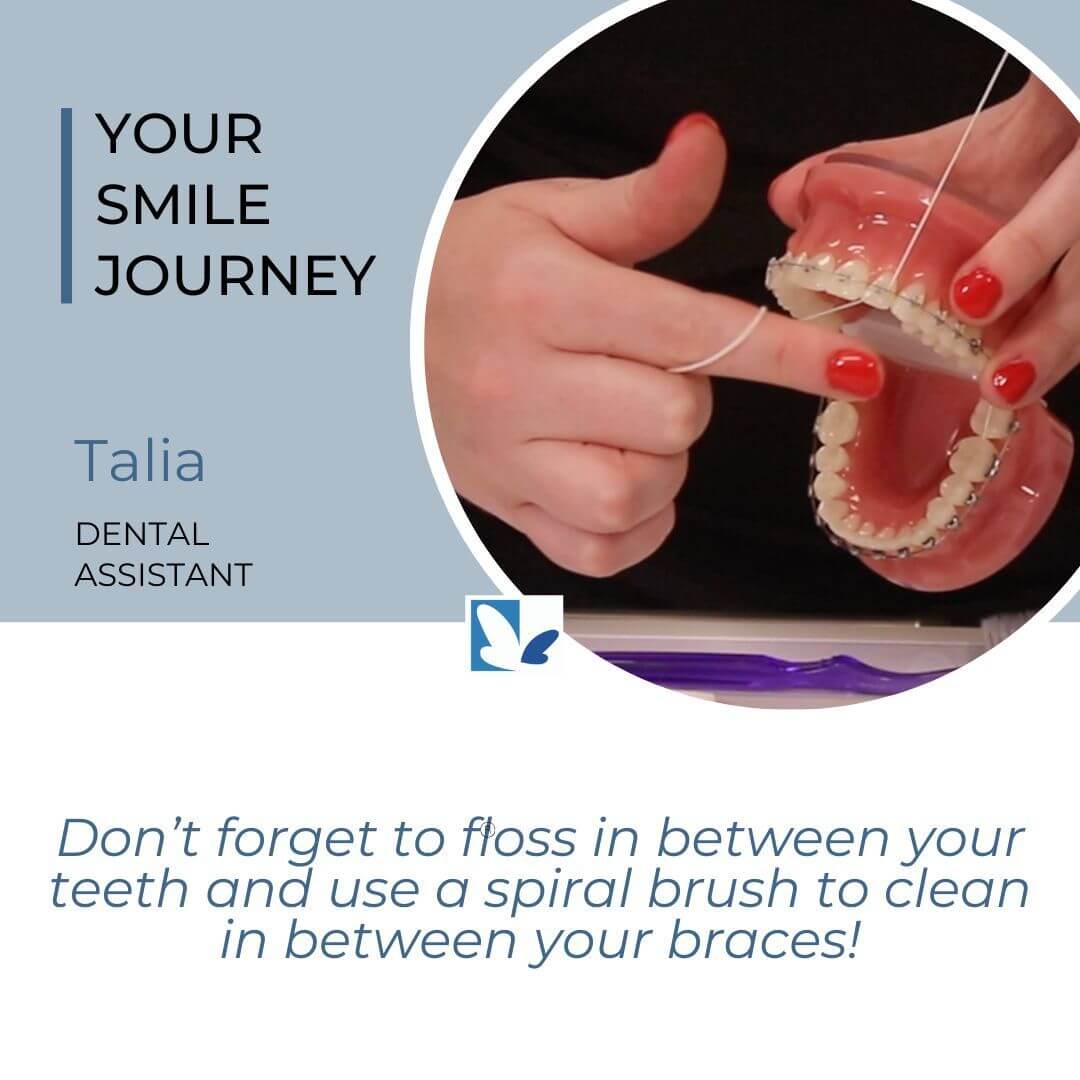
Oral hygiene: With braces, use interdental brushes and fluoride toothpaste to keep plaque down. With aligners, brush after meals before you put trays back in.
Eating and sport: Braces require care with hard or sticky foods. Aligners come out for meals and mouthguards fit well with both options during sport.
Appointments: Expect regular reviews, spaced according to your plan. Some aligner progress checks can be less frequent, depending on your case.
Sustainability: We offer Terracycle recycling for used aligners and Vivera retainers, so you can dispose of old trays responsibly.
Summary: start your smile with confidence
Choosing between Invisalign®, metal braces and ceramic braces comes down to your goals, your lifestyle and the complexity of your bite. Aligners are discreet and removable. Metal braces are robust and versatile for complex corrections. Ceramic braces blend in while offering fixed control. Costs vary, but flexible plans make treatment accessible. Medicare rarely covers orthodontics, though private health may help. The best next step is a free consultation with a Specialist Orthodontist who can map out a clear plan for your new smile.
Ready to begin? Book your free consultation today and make this the year your smile moves forward.
Follow Us!
Get social with Braces N Faces Orthodontics