

May 15, 2026
Teen Aligner Compliance: Signs Your Child Isn’t Wearing Them

Clear aligners work only when they are in. That sounds obvious, yet busy school days, sport, and social life can make consistent wear hard for teens. If you suspect your child is not wearing their trays enough, you are not alone.
This guide explains what good wear looks like, the red flags to watch for, and simple steps you can use at home to get treatment back on track. You will also know when it is time to call the orthodontist for support.
How many hours should aligners be worn each day?
Most teen plans with Invisalign® or other clear aligners rely on 20 to 22 hours per day. Aligners are removed only for meals, snacks, and toothbrushing. Consistency matters because tooth movement is biological.
Think of each set as a step in a staircase: skip a step or linger between steps, and you lose balance. Steady wear keeps teeth moving in small, comfortable increments and reduces soreness, delays, or refinements later.
Clear signs your teen is not wearing aligners enough
Practical signs of compliance issues:
- Aligners often out of the mouth: On the bathroom bench, bedside, school desk, or in a pocket/hoodie
- Frequent lost or broken trays: Suggests removal in busy or risky settings
- Poor fit or not tracking: Tray does not seat fully
- Visible gaps: Space between tray edge and tooth, especially near biting edges or canines
- Chewies without improvement: Aligner does not seat after 24–48 hours of solid wear Missing or broken attachments or buttons: Tooth-coloured shapes or metal buttons missing reduce control
- Bad breath or stained trays: Cloudy, smelly, or yellowed trays indicate poor wear or hygiene
- Slow progress versus plan: Less movement than expected or repeated instructions to stay longer in a tray
If two or more of these appear, address wear habits before the next stage.
A simple home routine that works
- Anchor wear to meals and brushing: Out only for breakfast, lunch, dinner; brush and reinsert immediately
- Use phone alarms or an app: Reminders after meals and at bedtime
- Check fit nightly: Bite on chewies for 5–10 minutes; ensure full seating with no edge gaps
- Keep labelled cases handy: One at home, one in school bag
- Follow the change schedule: Never skip ahead to chase a better fit
- Bring damaged or lost trays to appointments: Helps the orthodontist assess fit and next steps
What to do when trays are lost, cracked, or not tracking
- Lost tray: Wear the previous aligner 20–22 hours with chewies; contact the practice for reorder/resume instructions
- Cracked tray: Minor cracks: continue wear with chewies; major splits: revert to previous tray and call practice
- Tray too tight, loose, or not tracking: Step back to last well-fitting tray, increase chewies use for 48 hours; contact orthodontist if it still won’t seat
Braces n Faces Orthodontics can review tracking, replace attachments, and plan refinements. iTero scans make check-ins efficient and accurate.
When to contact the orthodontist
- Persistent gaps or poor seating after 48 hours of disciplined wear
- Broken or missing attachments or buttons
- Mouth soreness or rubbing that does not settle in 2–3 days
- Repeated lost or broken trays
- Uncertainty about which tray to wear next or whether to move on
Prompt advice often prevents bigger delays. Find our Geelong clinic details here or book a free consultation if you are still deciding or want a second opinion.
Encourage better habits without battles
- Make it visible: Fridge note with weekly tray number
- Tie habits to goals: Link good wear to sport, formals, or school photos
- Pack a mini kit: Case, travel toothbrush, toothpaste, chewies in pencil case or sport bag
- Celebrate streaks: Recognise a week of full wear and on-time changes
If struggles persist, fixed braces or LightForce™ clear braces may suit certain bite types or personalities. Treatment plans can be customised to your child’s needs.
Sustainability tip
Bring used aligners and Vivera retainers to clinics for TerraCycle recycling. It’s easy and environmentally friendly.
FAQs
- How many hours should aligners be worn? 20–22 hours per day, out only for meals, snacks, and brushing
- Signs your teen isn’t wearing aligners correctly? Out-of-mouth trays, lost/broken trays, poor fit, visible gaps, chewies ineffective, missing attachments/buttons, bad breath or staining, slower progress
- How can parents improve wear at home? Set routines around meals, use reminders, check fit, use chewies, keep trays in cases, stick to the schedule, bring damaged/lost trays to appointments
- What if aligners feel too tight, too loose, or not tracking? Step back to last well-fitting tray, increase wear with chewies for 48 hours, contact practice if still not seated
- When should you contact the orthodontist? Persistent gaps, broken/missing attachments, unresolved soreness, repeated lost trays, or confusion about tray sequence
We are here to help
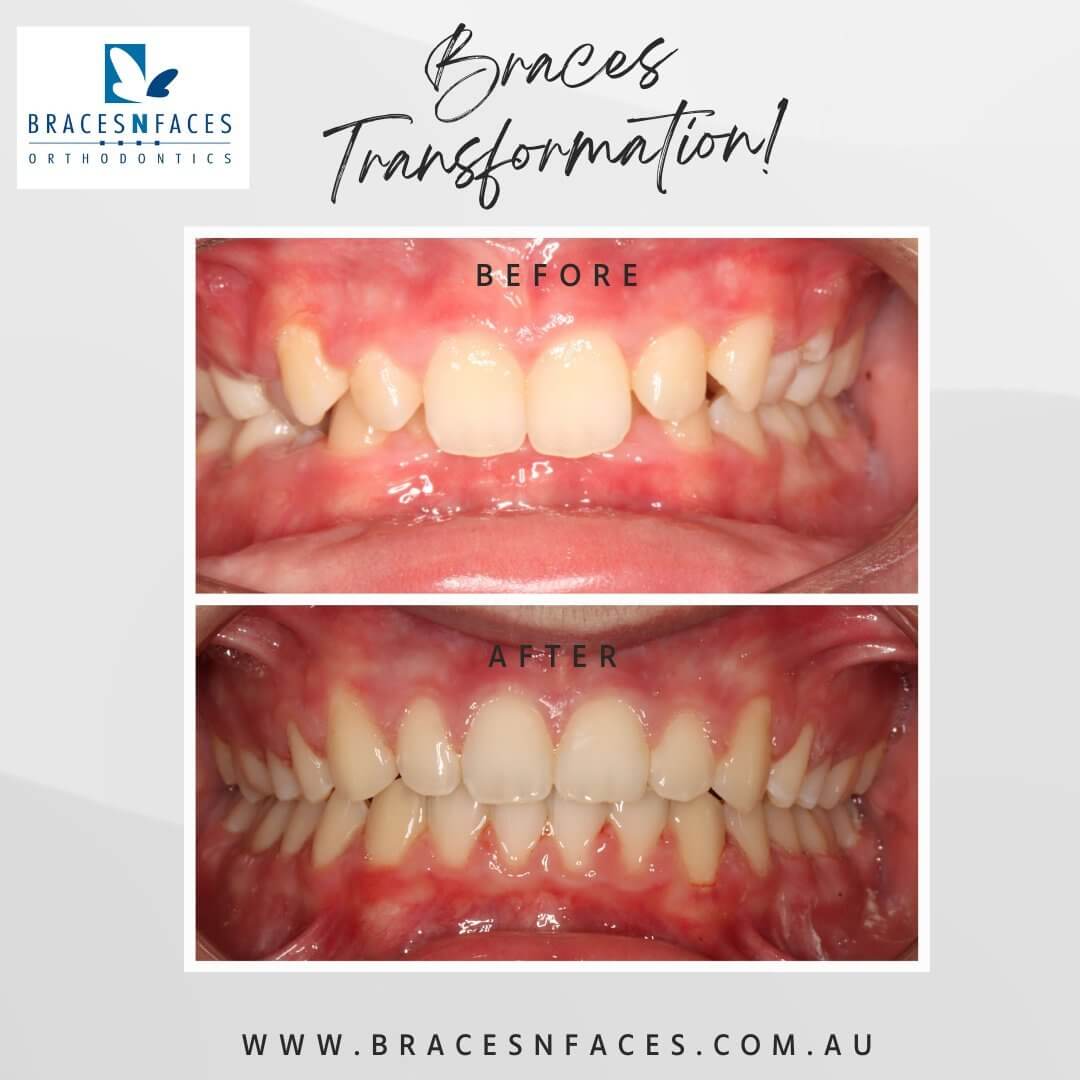
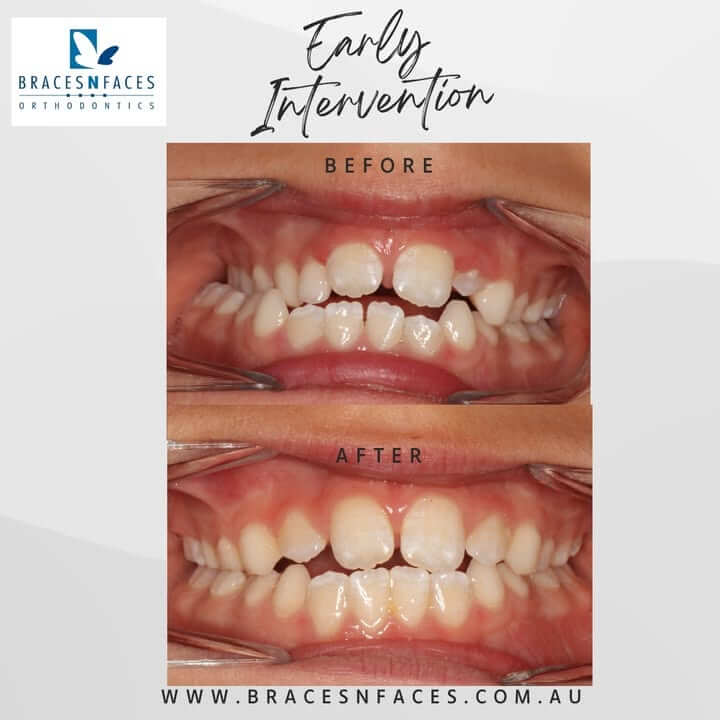
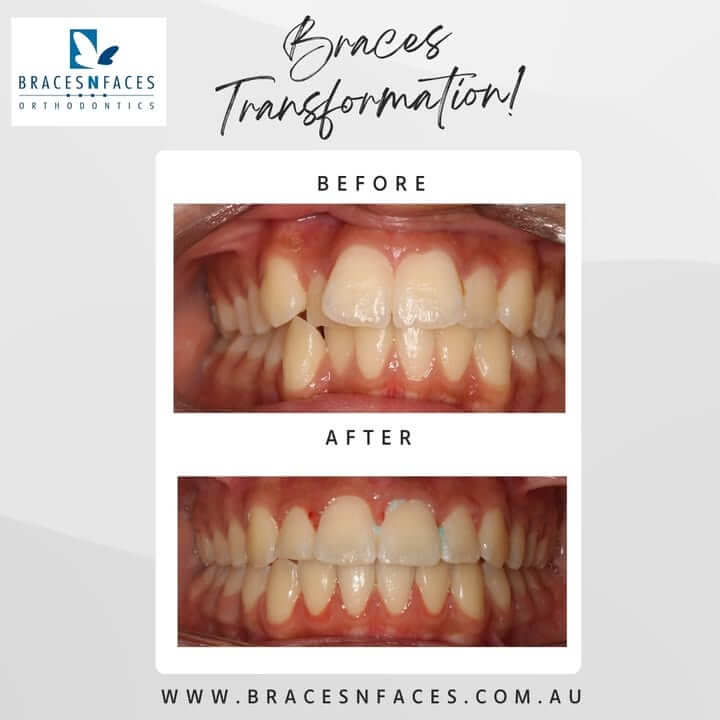
Braces n Faces Orthodontics supports teens with coaching, fit checks, and refinements when needed. Book a free consultation to compare options or review progress. Our before-and-after photos showcase real outcomes to help build confidence in the journey.
Follow Us!
Get social with Braces N Faces Orthodontics